

A deep-sea treasure map
Our new paper in Scientific Reports is a deep-sea treasure map.
Led by Lucy Harris, the paper shows where new molecules with potentially useful properties (such as anti-microbial or anti-tumour activity) have been found so far in deep-sea species.
That mapping reveals areas of the ocean, types of deep-sea habitats, and branches of the tree of life that appear to be under-explored for this potential.
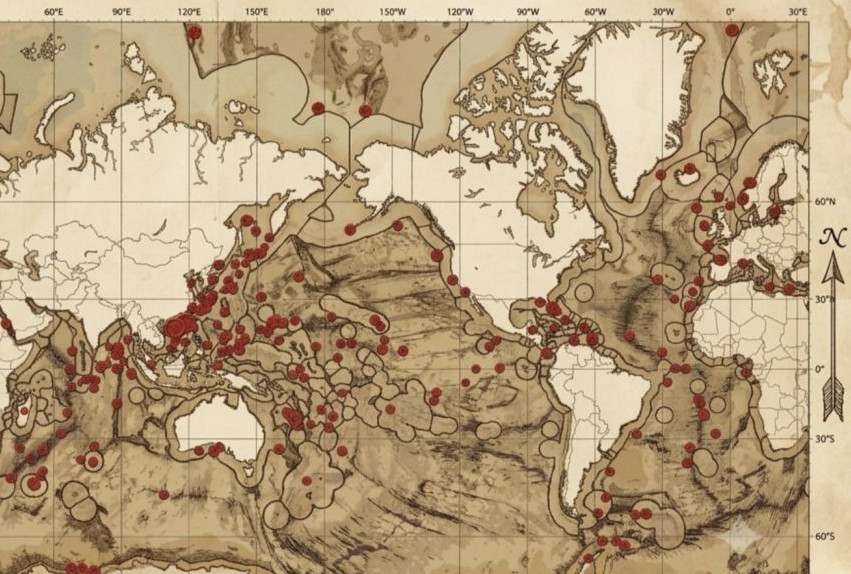
Out of more than 2700 "marine natural products" reported from deep-sea organisms with sample location data, the majority so far have come from the Exclusive Economic Zones of coastal nations.
Only ~36 percent are from larger "High Seas" areas, where marine genetic resources are now regulated by the United Nations new BBNJ Treaty.
Hydrothermal vents and the bottom of ocean trenches seem to be proportionally well-represented as deep-sea habitats that have been explored for new bioactive molecules. That's perhaps understandable as they have environmental conditions that could lead to interesting adaptations, and they're already a focus for deep-sea expeditions. But some widespread habitats, such as abyssal plains, appear to be much less explored in this regard.
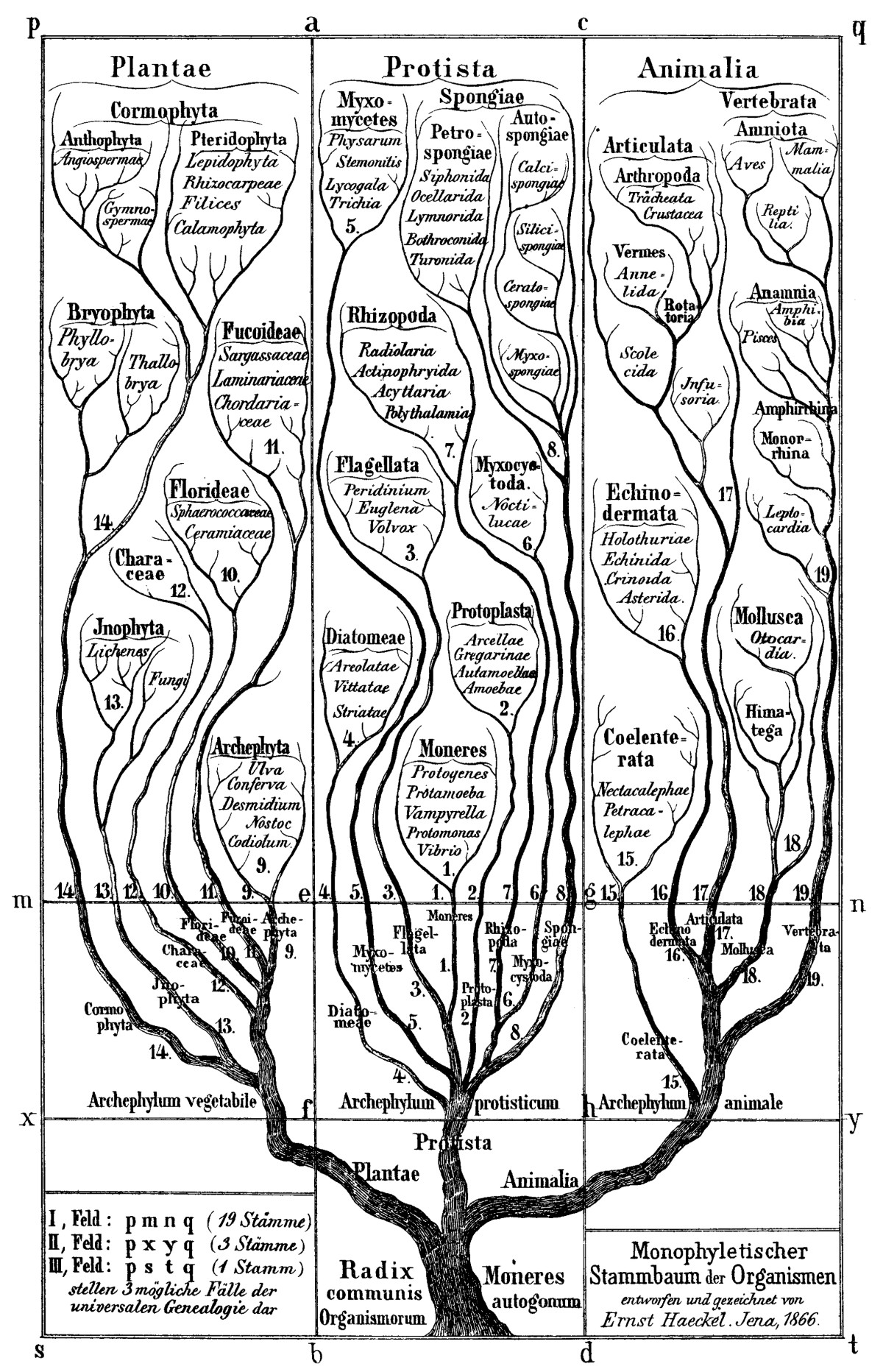
And mapping bioactive molecules on the tree of life, there's also a disparity in the types of deep-sea organisms from which they've been reported.
Most deep-sea natural products have come from Ascomyota fungi, followed by Actinobacteria, which are groups that are targeted for bioactive compounds in other environments. Molecules from sponges then dominate among the animals.
It can be hard to tell whether a lack of records represents an area or aspect that hasn't yet been explored, or one where nothing useful has been found, because negative results are less likely to be published. But knowing the undersampling of the deep sea, the former is much more likely.
Examples of deep-sea natural products include padeliporfin, used in photodynamic treatment of prostate cancer and developed from a molecule that was originally found in deep-sea bacteria.
"Biodiscovery" involves finding molecules with properties that give us insights to develop and synthesise useful new molecules ourselves. It does not lead to harvesting organisms to extract compounds from them for us to use (avoiding situations like the use of horseshoe crab blood for pharmaceutical safety tests). Its impact on deep-sea life is therefore minimal, as a single specimen can unlock the genetic secrets of its species.
So the "treasure" of our new map is knowledge: what we can learn from the ingenuity of nature that we find in the deep ocean. Although our map doesn't have an "X marks the spot", we hope it will help to guide future exploration and biodiscovery. And it highlights the need to protect deep-sea species so that we can continue to learn from them.
I'm grateful to all the co-authors who contributed to the study, and to Lucy's superb work in leading it as our part of the "DEEPEND: Deep-ocean resources and biodiscovery - enabling a sustainable and healthy low-carbon future" project funded by the DEFRA Global Centre on Biodiversity for Climate.
Jon Copley, July 2026
| Previous | Index | Next (t/c!) |