

Advising BBC Blue Planet III
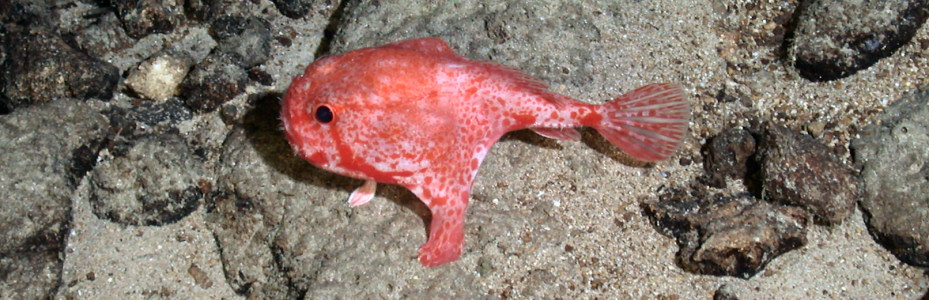
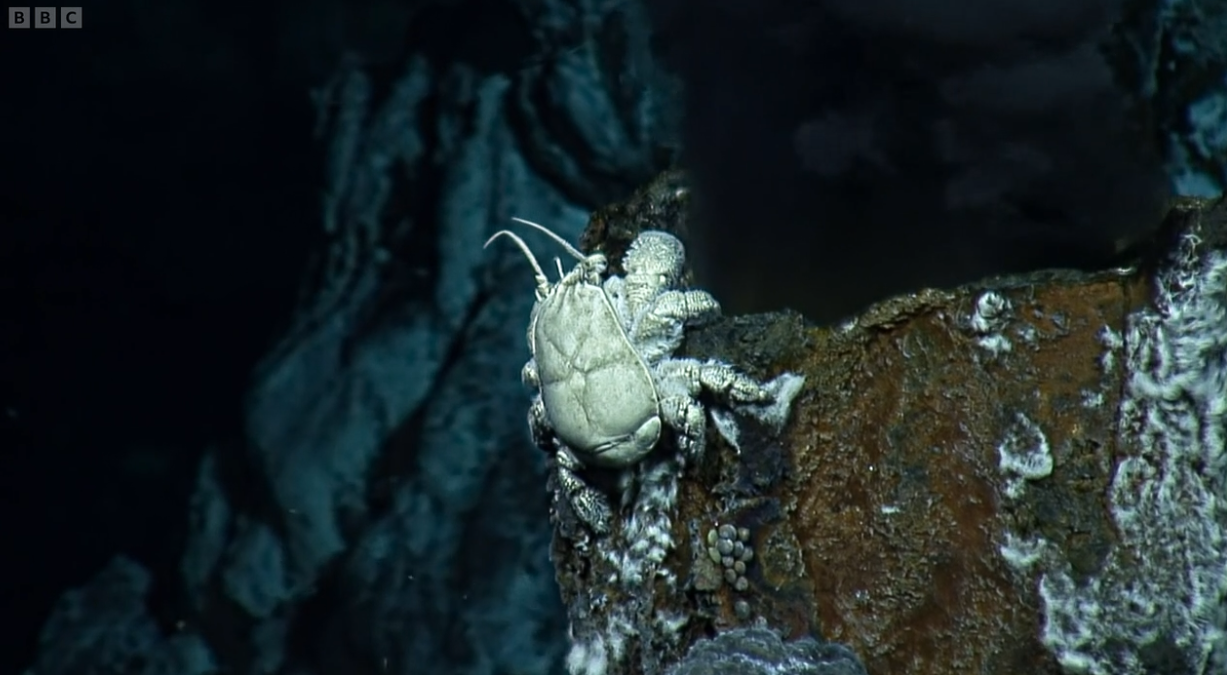
All the episodes of Blue Planet III are now available on BBC iPlayer for viewers in the UK. I enjoyed contributing to The Deep (episode 5), helping with drafting some of the script. The episode features footage filmed by the UK’s Isis ROV during two NERC research grants: the shots of “Hoff” crabs (from our ChEsSo consortium), and the Barbie sea pig (from the SMARTEX project).
I was also really pleased to see the “Death Star” in the episode - that’s a nickname we gave to the Antarctic sunstar Labidiaster annulatus while filming it from submersibles for Blue Planet II. But the footage shot then didn’t make it into that series, partly because its usual krill prey kept following the lights of our submersibles and photo-bombing attempts to film it feeding on one of them! So it’s great to see it featured in Blue Planet III, where it was filmed in an aquarium tank (as described in the narration - and enabling amazing close-ups of the pincers on its skin), with one shrimp as prey to avoid that problem.
The Deep episode also contains the only annelid worms mentioned in the series (the “sea mouse” and vent tubeworms), and imo has the best vertebrate-to-invertebrate ratio of featured animals (0.36, compared with a more-typical 1.56 in the Polar Waters episode for example). We all love (and expect!) vertebrates such as whales, dolphins, seals, fish, birds etc in ocean natural history documentaries, of course - and where relevant they're woven into The Deep - but I’m always keen to see more “DEI” for marine invertebrates, who have astounding stories, as the series shows throughout.
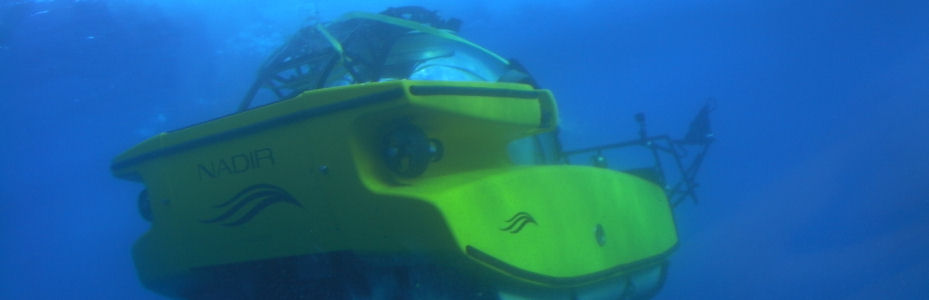
You may notice some different story-telling in The Deep and Polar Waters episodes too. Unlike the other episodes about particular ocean environments that are solely narrated by Sir David, The Deep also follows the work of some scientists, who provide additional commentary. And as well as featuring inhabitants of the deep, the episode includes how we explore the deep ocean, for example describing new technology such as Deep PIV (Particle Image Velocimetry) and digital photogrammetry. It's a fresh approach taken by episode director Eva Spielvogel and the NHU team that brings people into that often alien-seeming world.
While the Polar Waters episode includes animals we would expect from the Antarctic and Arctic, such as penguins and polar bears (with gripping and surprising sequences featuring both), its narrative shows how currents arising in polar regions connect with marine life across the world, even off the Cornish coast. The episode is well-named, emphasising how waters passing our shores are influenced by changing conditions at the poles.
The final episode, Future Seas, is thoughtful, thought-provoking, moving, and motivating - and now the full series is available, I hope it will inspire and reach even further than previous series have done.

Jon Copley, November 2026
| Previous | Index | Next (t/c!) |